
Joan Gillman
Science Teacher at The Browning School
Honored as “Visionary Educator & Distinguished Mentor of Minds of the Year 2026”
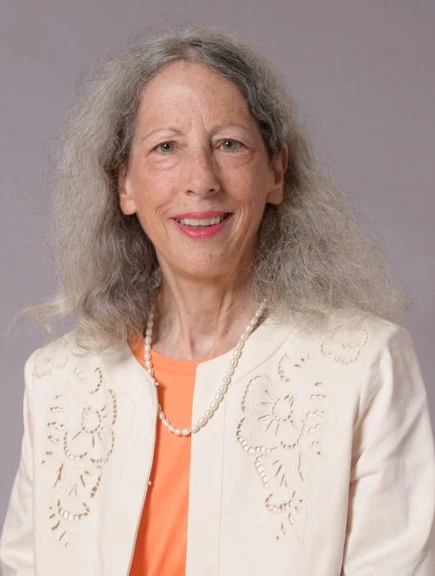
Joan Gillman: Shaping Curious Minds Through Science and Purpose
On any given day, a science classroom at The Browning School feels less like a traditional learning space and more like a place of discovery. Questions flow freely, ideas take shape through hands-on work, and curiosity is treated as the starting point of every lesson. At the center of this environment is Joan Gillman, a Lower and Middle School Science Teacher whose approach has quietly redefined how students connect with science.
Her work is guided by a simple yet powerful belief that learning should feel engaging, inclusive, and meaningful. Over the years, she has built a classroom culture where students are encouraged to explore, think independently, and take ownership of their learning. This philosophy has not only shaped academic outcomes but has also influenced how students see themselves as learners and problem solvers.
A Journey Rooted in Curiosity
Joan Gillman’s path reflects a natural evolution from curiosity to purpose. As a student, she was drawn to science and engineering, often creating small experiments at home and building imaginative models with her brother. These early experiences were not structured, yet they developed problem-solving skills and a deep interest in how the world works.
Her interest in teaching took shape during high school through community service. Working with younger students, she discovered the impact of encouragement and inclusion. She recalls how meaningful it was to ensure that every child felt involved, not just those who stood out. “It was a great feeling to help children become more confident in their abilities,” she reflects. This early exposure defined her belief that education must be inclusive and empowering.
Her professional training further strengthened this approach. During her time as a student teacher working with deaf students, she saw firsthand how hands-on learning could make complex ideas accessible. This experience became a turning point, shaping her teaching style into one that prioritizes active participation over passive learning.
Leadership Through Inclusion and Empowerment
Joan Gillman’s leadership is not defined by titles but by influence. In her classroom, leadership takes the form of creating an environment where every student feels valued and capable.
She views her classroom as a shared community. Each student brings unique strengths, and her role is to help them recognize and use those strengths effectively. Whether it is creativity, analytical thinking, or communication skills, every contribution is seen as essential.
A strong emphasis is placed on dignity and respect. Students are encouraged to ask questions freely without fear of judgment. This approach builds confidence and fosters a genuine love for learning. “I try to create a space where students never feel intimidated to ask questions,” she explains.
Her leadership also extends beyond academics. By encouraging teamwork and collaboration, she prepares students for real-world challenges where collective effort often leads to the best outcomes.
Innovation Through Hands-On Learning
Innovation in Joan Gillman’s classroom is practical and purposeful. She believes that science should not be confined to textbooks. Instead, it should be experienced, explored, and applied.
Her lessons are designed to engage students actively. From building models to participating in real-world simulations, students learn by doing. This method not only improves understanding but also makes learning memorable.
At The Browning School, she is part of an ongoing effort to align the science curriculum with Next Generation Science Standards. This initiative focuses on making science education more relevant, inquiry-driven, and connected to real-world applications.
She has also adapted to teaching younger students, including those in early grades. This transition required rethinking lesson structures and delivery methods. The result has been a dynamic and engaging curriculum that introduces scientific thinking at an early age.
Her approach ensures that students do not just learn science. They experience it in ways that build curiosity and confidence.
Challenges, Transitions, and Milestones
Every meaningful career includes moments of adjustment, and Joan Gillman’s journey is no exception. One of her key challenges came when she transitioned to teaching much younger students. Having previously worked with older age groups, she had to redesign her teaching methods to suit early learners.
This shift required patience and creativity. Over time, she not only adapted but also found new joy in teaching younger children. It allowed her to shape curiosity at its earliest stage, making learning more impactful.
Another important milestone has been her involvement in curriculum development. Working toward aligning courses with modern standards reflects her commitment to continuous improvement and educational relevance.
Her role continues to evolve, with increasing focus on early education and expanding responsibilities. Each phase of her career reflects adaptability and a willingness to grow.
Vision for the Future
Looking ahead, Joan Gillman’s vision remains centered on impact. She believes that education should prepare students not just for exams but for life.
Her goal is to nurture individuals who are thoughtful, informed, and capable of making positive contributions to society. Science, in her view, is a powerful tool for understanding global challenges and finding solutions.
Environmental awareness is a key focus. Through her work with student groups, she encourages active participation in sustainability efforts. These initiatives are designed to help students understand their role in protecting the environment.
“I hope my students will make a positive impact on the world,” she says. This vision guides her daily work and long-term goals.
Creating Impact Beyond the Classroom
The true measure of an educator lies in the impact they create, and Joan Gillman’s influence extends far beyond academic results.
Through initiatives like the school’s Green Team, she has inspired students to take action on important global issues. Projects related to clean water access and disaster relief have not only raised funds but also built awareness and responsibility among students.
One such initiative involved students organizing a fundraiser to support clean water efforts. The enthusiasm and dedication shown by the students demonstrated the power of education when combined with purpose. “That’s a real testament to the younger generation and their level of passion,” she notes.
Her students have also participated in environmental activities such as park clean-ups and conservation efforts. These experiences teach valuable life skills, including leadership, teamwork, and empathy.
Many of her students carry these lessons forward, some even pursuing paths related to environmental advocacy. This lasting impact highlights the depth of her work.
A Lasting Influence
Joan Gillman’s career reflects the quiet strength of consistent dedication. She has built a teaching philosophy that combines curiosity, inclusiveness, and real-world relevance.
Her work shows that education is not only about knowledge transfer. It is about shaping perspectives, building confidence, and inspiring action.
In classrooms filled with questions, experiments, and collaboration, she continues to create an environment where learning feels natural and meaningful. Her journey stands as a reminder that the most powerful educators are those who inspire students to think, explore, and believe in their ability to make a difference.