CToday Awards Logo

Voices And Views

The Ultimate Advantage: How Permanent Residency Transforms the Lives of Immigrants

Permanent Residency

“ The Ultimate Advantage: How Permanent Residency Transforms the Lives of Immigrants“ For millions of immigrants, obtaining a U.S. Green Card is a life-changing milestone that unlocks a world of opportunities. Officially known as a Permanent Resident Card, a Green Card grants individuals the legal right to live and work in the United States indefinitely. Beyond just legal residency, it provides a host of advantages that enhance quality of life, financial stability, and prospects for immigrants and their families. The journey to securing a Green Card can be long and complex, but the benefits it offers make the process worthwhile. Freedom to Live and Work Anywhere in the U.S. One of the most significant advantages of holding a Green Card is the freedom to live anywhere in the United States without restrictions. Unlike visa holders who are often bound by time limits or work-related conditions, Green Card holders can move freely across states, seek employment in any industry, and pursue their personal and professional aspirations without worrying about their legal status. This flexibility allows immigrants to build stable lives, own homes, and contribute to the economy without the constant fear of visa expiration or deportation. Having a Green Card also opens up a wealth of employment opportunities. Many jobs in the U.S. require permanent residency or citizenship, and Green Card holders are eligible for most positions without needing special work permits or sponsorships. Unlike temporary visa holders who may be tied to a specific employer, Green Card holders have the freedom to change jobs, start businesses, or work in multiple sectors without the need for additional authorization. This independence is crucial for career growth, financial security, and the ability to negotiate better salaries and benefits. Access to Social Security and Medicare Benefits Another crucial benefit of a Green Card is access to social security and Medicare benefits. After meeting certain residency requirements, Green Card holders become eligible for government assistance programs that provide financial support and healthcare benefits in retirement. Social security benefits ensure financial stability for retirees, while Medicare grants access to affordable healthcare services. This safety net is essential for long-term planning, particularly for immigrants who wish to settle in the U.S. permanently and secure their future. Affordable Education and In-State Tuition Education is another area where having a Green Card provides immense advantages. Green Card holders are eligible for in-state tuition rates at public universities, which significantly reduces the cost of higher education compared to international students. Additionally, they qualify for federal student aid, scholarships, and grants, making it easier to access quality education and build a strong academic foundation for a successful career. For immigrant families, this means their children can receive an affordable and world-class education, opening doors to better job opportunities in the future. Pathway to U.S. Citizenship One of the most compelling reasons immigrants pursue a Green Card is the pathway it provides to U.S. citizenship. After maintaining permanent residency for a required period—typically five years, or three years if married to a U.S. citizen—Green Card holders can apply for naturalization. Becoming a U.S. citizen grants additional rights, such as voting in elections, obtaining a U.S. passport, and gaining full protection under U.S. laws. For many immigrants, citizenship is the ultimate goal, providing them with a sense of belonging, security, and the ability to fully participate in American society. Financial Stability and Investment Opportunities Owning property and making long-term financial investments also become easier with a Green Card. Many banks and lenders offer better mortgage rates and financial services to permanent residents compared to non-residents. This makes it possible for Green Card holders to buy homes, invest in businesses, and build wealth over time. Having permanent residency provides financial stability and confidence in making long-term decisions that affect future generations. Legal Protection and Rights The benefits of a Green Card also extend to legal protections and rights within the U.S. Green Card holders are entitled to most of the same legal protections as U.S. citizens, ensuring that they receive fair treatment under the law. They can access the judicial system, file lawsuits if necessary, and seek protection under U.S. labor laws. This provides a sense of security, knowing that they have the right to defend themselves and seek justice when needed.

The Ultimate Advantage: How Permanent Residency Transforms the Lives of Immigrants Read More »

Green Card Challenges and Responsibilities

green card challenges

“Green Card Challenges and Responsibilities: What You Need to Know Before Applying“ One of the biggest challenges of obtaining a Green Card is the long and often complicated application process. Depending on the category under which an applicant is applying—family sponsorship, employment-based, asylum, or the Diversity Visa Lottery—the process can take months or even years. Many applicants face delays due to visa backlogs, paperwork errors, or changes in immigration policies. For those applying through family sponsorship, priority dates play a crucial role in determining how long the wait will be. Immediate relatives of U.S. citizens, such as spouses and parents, generally have shorter waiting periods compared to siblings or extended family members. Employment-based Green Card applicants often face similar delays, especially in countries with high demand for U.S. immigration, such as India and China. The Financial Burden of Applying for a Green Card Applying for a Green Card is not just time-consuming but also expensive. Government filing fees, medical examinations, legal consultations, and other associated costs can add up to thousands of dollars. The U.S. Citizenship and Immigration Services (USCIS) requires applicants to pay various fees depending on their Green Card category, and these fees may increase over time due to changes in immigration policies. For families applying together, the costs multiply, as each member must go through the necessary screenings and documentation process. Additionally, some applicants may need to travel for consular interviews, further adding to the financial strain. Many individuals save for years before beginning their application to ensure they can cover all expenses without financial hardship. Residency Requirements and the Risk of Losing Green Card Status Receiving a Green Card is not the same as citizenship, and permanent residents must follow strict residency requirements to maintain their status. One of the key responsibilities of Green Card holders is to ensure they do not spend too much time outside the United States. Extended stays abroad can raise concerns about whether the individual intends to maintain their residency. If a Green Card holder spends more than six months outside the U.S. without a valid reason, they may face issues upon reentry, including questioning by immigration officers. Absences of over one year without a reentry permit may result in the loss of permanent residency. To avoid complications, individuals planning extended trips must apply for a reentry permit or seek U.S. citizenship if they qualify. Legal Obligations and Compliance with U.S. Laws Green Card holders are required to comply with all U.S. laws, including federal, state, and local regulations. Serious legal violations, such as criminal offenses or fraud, can result in the revocation of permanent residency and possible deportation. Even minor infractions, such as tax evasion or failure to report a change of address to USCIS, can lead to complications. One of the critical responsibilities of Green Card holders is filing U.S. taxes. Permanent residents must report their worldwide income to the Internal Revenue Service (IRS), just like U.S. citizens. Failing to comply with tax laws can have severe consequences, including legal penalties and issues with future citizenship applications. The Path to Citizenship and the Decision to Naturalize For many Green Card holders, the ultimate goal is to become a U.S. citizen. However, naturalization is a voluntary process that requires fulfilling certain criteria, including continuous residency, knowledge of U.S. history and government, and proficiency in English. Some Green Card holders choose not to apply for citizenship due to the additional costs and requirements, while others do so to secure more rights and protections. One of the biggest advantages of becoming a U.S. citizen is the ability to sponsor more family members for immigration and enjoy unrestricted travel benefits. Citizenship also removes the risk of deportation due to legal violations, providing permanent security in the United States. However, it requires careful planning and preparation, as failing the naturalization test or application process can lead to setbacks. Conclusion Obtaining a Green Card is a significant milestone, but it comes with its own set of challenges and responsibilities. From navigating the lengthy application process to maintaining residency, complying with laws, and making financial sacrifices, applicants must be fully prepared before applying. Understanding the potential obstacles and obligations can help immigrants make informed decisions about their future in the U.S. While the journey to permanent residency is not always easy, it can be incredibly rewarding for those who successfully manage these challenges. By staying informed, seeking legal guidance when necessary, and fulfilling their responsibilities, Green Card holders can fully enjoy the opportunities that come with living and working in the United States. For those who see the U.S. as their permanent home, the Green Card is just the beginning of a new chapter in their lives.

Green Card Challenges and Responsibilities Read More »

U.S. Green Card: A Gateway to Permanent Residency

U.S. Green Card: A Gateway to Permanent

“U.S. Green Card: A Gateway to Permanent Residency – Everything You Need to Know“ A U.S. Green Card is a legal document issued by the U.S. government that provides an individual with lawful permanent resident (LPR) status. Unlike temporary visas, which have expiration dates and restrictions, a Green Card allows the holder to reside in the U.S. without time limitations. While Green Card holders are not U.S. citizens, they enjoy many of the same privileges, such as the ability to work for any employer, own property, and access certain social benefits. However, they are not eligible to vote in federal elections and must maintain their residency status to avoid the risk of deportation. Types of U.S. Green Cards There are multiple pathways to obtaining a U.S. Green Card, each designed to accommodate different immigration needs. The most common types include family-based Green Cards, employment-based Green Cards, diversity lottery Green Cards, and humanitarian Green Cards. The family-based Green Card is one of the most popular routes, allowing individuals to immigrate to the U.S. through close relatives who are either U.S. citizens or lawful permanent residents. Immediate relatives, such as spouses, parents, and unmarried children under 21, have the highest priority and the shortest waiting times. Other family relationships, such as siblings or married children, may also qualify, but the process can take significantly longer due to annual visa caps. The employment-based Green Card is another widely used category, granted to foreign workers with specialized skills, extraordinary abilities, or investment capital. This category is divided into different preference levels, with priority given to individuals with advanced degrees, multinational executives, and highly skilled professionals. Certain employment-based Green Cards require employer sponsorship, while others, such as the EB-5 investor visa, allow applicants to qualify by making significant financial investments in U.S. businesses. For individuals from countries with historically low immigration rates to the U.S., the Diversity Visa Lottery Program provides a unique opportunity to obtain a Green Card. Each year, the U.S. government randomly selects 50,000 applicants through a lottery system, allowing them to apply for permanent residency. This program is highly competitive and requires applicants to meet certain education or work experience criteria. The U.S. also grants Green Cards on humanitarian grounds to refugees, asylees, and victims of human trafficking or abuse. These applicants must demonstrate that returning to their home country would pose a significant risk to their safety. Special provisions also exist for individuals under certain U.S. government programs, such as the Cuban Adjustment Act and the Special Immigrant Juvenile program. How to Apply for a U.S. Green Card The application process for a U.S. Green Card varies depending on the category under which an individual is applying. However, the general process includes filing an immigrant petition, submitting supporting documents, undergoing a medical examination, and attending an interview at a U.S. consulate or immigration office. For individuals already in the U.S. on a different visa, the process may involve adjustment of status, whereas those applying from abroad must go through consular processing. The waiting period for Green Card approval depends on the category, applicant’s country of origin, and the annual visa quotas set by U.S. immigration authorities. Family-sponsored and employment-based applicants from countries with high demand, such as India and China, often face long backlogs. In contrast, applicants under the Diversity Visa Lottery Program generally have a shorter timeline but must meet strict deadlines. Conclusion The U.S. Green Card is a valuable opportunity for individuals seeking permanent residency in the United States. Whether obtained through family sponsorship, employment, the Diversity Visa Lottery, or humanitarian programs, it provides numerous benefits and serves as a gateway to U.S. citizenship. While the application process can be complex and time-consuming, understanding the requirements and maintaining compliance with immigration laws ensures a smooth transition to life in the U.S. For those aspiring to call America home, the Green Card is a crucial step in turning that dream into reality.  

U.S. Green Card: A Gateway to Permanent Residency Read More »

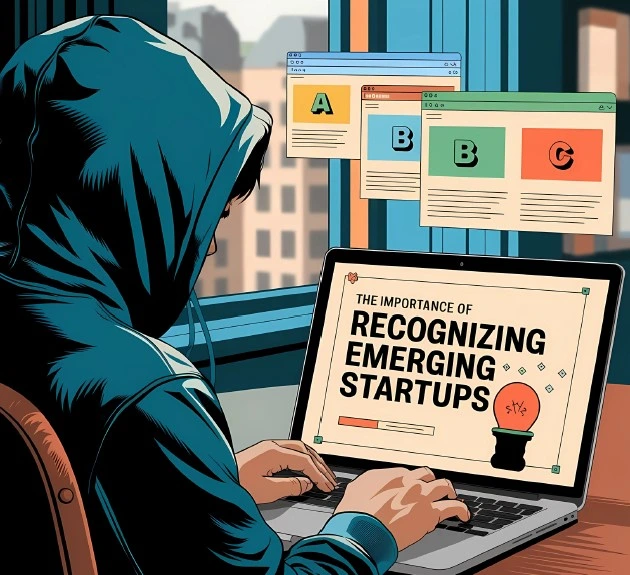
The Importance of Recognizing Emerging Startups

The Importance of Recognizing Emerging Startups

“The Importance of Recognizing Emerging Startups“ Emerging startups hold a pivotal role in today’s fast-paced, innovation-driven economy. These fledgling businesses are disruptors in their respective industries and serve as the lifeblood of economic growth, fostering innovation, creating jobs, and providing solutions to modern challenges. Recognizing the importance of emerging startups has never been more crucial for investors, governments, and established corporations. This article explores why identifying and supporting these startups is essential and how it benefits society. Driving Innovation and Disruption Startups are synonymous with innovation. Unlike established corporations, startups operate with agility, are less bound by legacy systems, and can swiftly adapt to changing market demands. This flexibility allows them to experiment with groundbreaking ideas and technologies. Take, for instance, companies like Airbnb and Uber, which revolutionized the hospitality and transportation sectors. These startups identified gaps in the market and introduced disruptive models that changed consumer behavior and industry standards. By recognizing emerging startups, stakeholders can tap into innovative solutions that address unmet needs. These businesses often pave the way for technological advancements and encourage competition, which drives industries forward. Boosting Economic Growth Startups significantly contribute to economic growth. They generate employment opportunities, attract investments, and enhance productivity by introducing new products and services. According to the Global Entrepreneurship Monitor, startups are responsible for creating millions of jobs annually, particularly in sectors like technology, healthcare, and renewable energy. Moreover, startups stimulate local economies by fostering a culture of entrepreneurship. When startups succeed, they often inspire others to pursue entrepreneurial ventures, creating a ripple effect of economic dynamism. Recognizing and supporting startups, therefore, ensures a robust economic ecosystem, fostering resilience and growth. Encouraging Diversity and Inclusion Emerging startups often embrace diversity and inclusion, breaking barriers that traditional corporations might struggle to overcome. Many founders come from diverse backgrounds, bringing unique perspectives and solutions to the table. For example, startups focused on social entrepreneurship aim to address systemic inequalities by creating products and services tailored to underrepresented communities. By recognizing these startups, society benefits from inclusive innovation, bridging gaps in access to technology, healthcare, and education. Moreover, diverse leadership within startups fosters a culture of inclusivity, which research shows leads to better decision-making and improved financial performance. Solving Global Challenges From climate change to global health crises, startups play a crucial role in addressing some of the world’s most pressing challenges. For instance, green tech startups are developing innovative solutions to reduce carbon emissions, while health tech startups are revolutionizing telemedicine and improving access to quality healthcare in remote areas. Recognizing and investing in such startups accelerates progress toward achieving sustainable development goals. Governments and organizations that support these startups stand to benefit from the solutions they offer, positioning themselves as leaders in tackling global issues. Attracting Investment Opportunities For investors, emerging startups represent high-risk, high-reward opportunities. Identifying promising startups early can lead to significant financial gains. Companies like Facebook, Tesla, and Zoom started as small ventures but grew into industry giants, delivering substantial returns to their early investors. Recognizing startups with potential allows venture capitalists and angel investors to diversify their portfolios while also contributing to the growth of innovative businesses. Additionally, investing in startups fosters long-term relationships that can lead to future collaborations and partnerships. Enhancing Corporate Growth Through Collaboration Established corporations increasingly recognize the value of collaborating with startups. These partnerships enable corporations to access new technologies, enter emerging markets, and stay competitive. For example, large companies often acquire startups to integrate their innovations and enhance their product offerings. By acknowledging and supporting startups, corporations can leverage their agility and creativity, fostering a symbiotic relationship that drives mutual growth. Such collaborations also help startups scale their operations, providing them with resources, mentorship, and market access. How to Recognize Emerging Startups Identifying promising startups requires a keen eye for potential. Here are some strategies: Monitor Industry Trends: Stay informed about technological advancements and market shifts. Attend Startup Events: Engage with entrepreneurs at pitch competitions, incubators, and accelerators. Leverage Online Platforms: Use crowdfunding and networking platforms to discover emerging businesses. Network with Industry Experts: Collaborate with mentors, advisors, and investors who specialize in startup ecosystems. Conclusion Recognizing emerging startups is not merely an option but a necessity in today’s competitive and rapidly evolving world. These startups drive innovation, bolster economies, promote diversity, and tackle global challenges. By identifying and supporting them, investors, governments, and corporations can reap significant benefits while contributing to societal progress. As we continue to embrace technological and social changes, fostering a culture that values and uplifts startups will be key to shaping a sustainable and inclusive future.

The Importance of Recognizing Emerging Startups Read More »

Celebrating Diversity: Women in Technology and Innovation

Celebrating Diversity: Women in Technology and Innovation

“Celebrating Diversity: Women in Technology and Innovation“ The technology and innovation sectors have long been viewed as male-dominated industries. However, the tide is changing. Women are breaking barriers, redefining norms, and making remarkable contributions to technology and innovation worldwide. Recognizing and celebrating these achievements is essential for fostering a more inclusive, equitable, and innovative future. In this article, we explore the significance of women’s participation in technology and innovation, the challenges they face, and the benefits of promoting diversity in these fields. The Growing Presence of Women in Technology Women have made incredible strides in technology over the past few decades. From coding pioneers like Ada Lovelace and Grace Hopper to contemporary leaders such as Sheryl Sandberg and Reshma Saujani, women have continuously demonstrated their potential to drive technological advancements. Today, women are leading startups, conducting groundbreaking research, and developing technologies that impact billions of lives. According to a report by Deloitte, the percentage of women in tech roles at large global technology firms increased from 25% in 2019 to nearly 33% in 2023. While this progress is encouraging, there is still a long way to go to achieve gender parity in the industry. Challenges Women Face in Technology and Innovation Despite their growing presence, women in technology and innovation still face significant challenges. Understanding and addressing these obstacles is key to fostering an inclusive environment. Gender Bias and Stereotypes Persistent stereotypes about women’s abilities in STEM fields often discourage young girls from pursuing careers in technology. This bias can also manifest in hiring and promotion practices, limiting opportunities for women to advance. Workplace Inequality Women often face unequal pay, lack of mentorship, and limited access to leadership roles. According to the World Economic Forum’s Global Gender Gap Report, women in tech roles earn significantly less than their male counterparts, even when holding the same qualifications and experience. Lack of Representation Representation matters. The underrepresentation of women in leadership roles and on boards perpetuates a cycle where younger women lack role models to inspire and guide them. Balancing Work and Personal Life Women are often expected to shoulder the majority of caregiving responsibilities, which can limit their career progression in demanding fields like technology and innovation. The Importance of Celebrating Women in Technology Celebrating the achievements of women in technology and innovation is not just about recognition; it’s about creating a ripple effect that inspires and empowers the next generation. Here’s why it matters: Inspiration for Future Generations: Highlighting the success stories of women in tech serves as a powerful motivation for young girls to pursue careers in STEM fields. Breaking Stereotypes: Showcasing women’s achievements challenges outdated stereotypes, proving that women are just as capable as men in leading technological advancements. Fostering Innovation: Diverse teams bring a variety of perspectives, which leads to more creative solutions and better decision-making. By celebrating women’s contributions, we encourage the formation of inclusive teams that drive innovation. Building a Supportive Ecosystem: Recognition can lead to greater opportunities for networking, mentorship, and sponsorship, creating a supportive environment for women in tech to thrive. How to Promote Women in Technology and Innovation Achieving gender equality in technology and innovation requires collective effort from governments, organizations, and individuals. Here are some strategies: Encourage Early STEM Education Initiatives that introduce young girls to coding, robotics, and other STEM-related activities that can spark their interest and build confidence in their abilities. Implement Inclusive Hiring Practices Companies should adopt unbiased recruitment processes and actively seek to hire qualified women for tech roles. Provide Mentorship and Sponsorship Mentorship programs connect women with experienced professionals who can offer guidance, while sponsorship ensures women are recommended for high-visibility projects and leadership roles. Create Family-Friendly Policies Flexible work arrangements, parental leave, and on-site childcare facilities can help women balance work and personal responsibilities. Recognize and Celebrate Achievements Award programs, media coverage, and industry events that honor women’s contributions raise their visibility, and encourage more women to enter the field. Success Stories: Women Leading the Way Many women are already making a significant impact in technology and innovation. Consider the achievements of Dr. Fei-Fei Li, an AI researcher and advocate for ethical AI development, or Kimberly Bryant, founder of Black Girls CODE, an organization dedicated to teaching coding to girls from underrepresented communities. These trailblazers are not only advancing their fields but also paving the way for others to follow. Conclusion Celebrating diversity by recognizing women in technology and innovation is essential for building a more equitable and innovative future. By addressing the challenges they face, promoting their achievements, and fostering an inclusive environment, we can unlock the full potential of diverse talent in the tech industry. Let us continue to support and uplift women, ensuring that their voices and ideas shape the technologies of tomorrow.

Celebrating Diversity: Women in Technology and Innovation Read More »

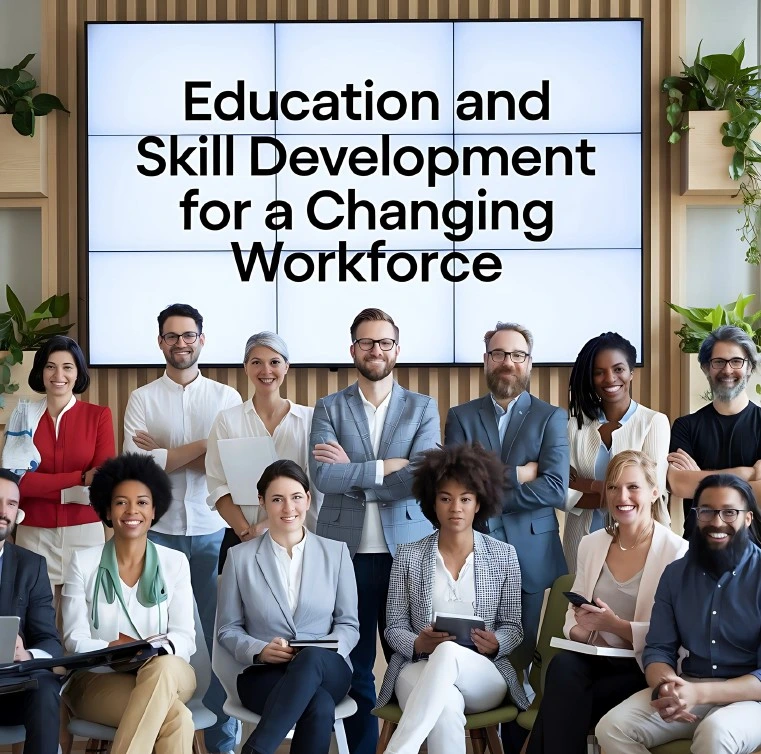
Education and Skill Development for a Changing Workforce

Education and Skill Development for a Changing Workforce

“Education and Skill Development for a Changing Workforce“ In an era marked by rapid technological advancements and global economic shifts, the workforce is undergoing a dramatic transformation. Traditional jobs are evolving, new roles are emerging, and the skills required to succeed are changing faster than ever before. In this context, education and skill development play a critical role in preparing individuals and societies to adapt and thrive. This article delves into the importance of education and skill development for a changing workforce, the challenges involved, and strategies for success. The Evolving Nature of WorkThe digital revolution has redefined the way we work. Automation, artificial intelligence (AI), and machine learning are replacing repetitive tasks and creating new opportunities in areas like data science, cybersecurity, and green energy. According to the World Economic Forum’s Future of Jobs Report, by 2025, half of all employees will need reskilling as the adoption of technology accelerates. Additionally, the gig economy, remote work, and globalization are reshaping workforce dynamics. These trends demand a workforce that is not only technologically adept but also flexible, creative, and able to learn continuously. The Importance of Lifelong LearningGone are the days when a degree guaranteed a lifetime career. Today, lifelong learning is essential for staying relevant in the workforce. This concept involves continuously updating skills and acquiring new knowledge to meet evolving industry demands. Lifelong learning ensures individuals can: Adapt to New Technologies: As industries integrate AI, robotics, and other technologies, employees need to stay updated with the latest tools and platforms. Enhance Employability: Keeping skills current makes individuals more attractive to employers and reduces the risk of job displacement. Foster Innovation: A well-educated workforce drives creativity and problem-solving, leading to innovation and economic growth. Key Skills for the Future WorkforceTo succeed in the future workforce, individuals must focus on developing a mix of technical and soft skills. Some of the most in-demand skills include: Digital Literacy: Proficiency in digital tools, data analysis, and emerging technologies like blockchain and AI. Critical Thinking and Problem-Solving: The ability to analyze complex situations and develop effective solutions. Emotional Intelligence: Skills like empathy, communication, and teamwork are vital for collaboration and leadership. Adaptability and Resilience: The capability to navigate change and overcome challenges in dynamic environments. Cultural Competence: Understanding and respecting diverse perspectives, is essential in a globalized workplace. Challenges in Education and Skill DevelopmentWhile the importance of education and skill development is clear, significant challenges remain: Access to Quality Education: Many individuals, particularly in developing regions, lack access to quality educational resources, creating a digital divide. Outdated Curricula: Traditional education systems often fail to keep pace with industry needs, leaving graduates unprepared for the modern workforce. Cost of Training: Professional development programs can be expensive, limiting opportunities for low-income individuals. Resistance to Change: Both organizations and individuals may resist adopting new learning methods or technologies, hindering progress. Strategies for Effective Skill DevelopmentAddressing these challenges requires a multi-faceted approach involving governments, educational institutions, businesses, and individuals. Here are some strategies: Promote STEM Education: Emphasizing science, technology, engineering, and mathematics (STEM) subjects in schools can prepare students for technology-driven careers. Integrate Soft Skills Training: Alongside technical education, schools and workplaces should focus on developing communication, leadership, and interpersonal skills. Expand Access to Online Learning: Platforms like Coursera, Udemy, and Khan Academy make high-quality education accessible to a broader audience, enabling self-paced learning. Encourage Public-Private Partnerships: Collaboration between governments, businesses, and educational institutions can align curricula with industry needs and fund skill development initiatives. Offer Lifelong Learning Incentives: Companies can provide employees with opportunities for continuous education, such as subsidized courses, workshops, and certifications. Upskilling and Reskilling Programs: Organizations should invest in training programs that help employees transition to new roles as technology evolves. The Role of Governments and PolicymakersGovernments have a crucial role in shaping a workforce ready for the future. By investing in education, creating policies that support skill development, and encouraging innovation, they can ensure economic growth and social stability. Initiatives like free or subsidized education, vocational training, and tax incentives for skill development programs can bridge the skills gap.The Benefits of a Skilled WorkforceInvesting in education and skill development yields significant benefits for individuals, businesses, and society: Increased Productivity: A skilled workforce is more efficient and capable of driving innovation. Economic Growth: Countries with well-educated populations tend to experience higher economic development. Reduced Unemployment: Skill development initiatives can help bridge the gap between job seekers and employers, lowering unemployment rates. Enhanced Job Satisfaction: Continuous learning fosters personal and professional growth, leading to greater job fulfillment. ConclusionIn a rapidly changing world, education, and skill development are the cornerstones of a resilient and adaptable workforce. By fostering a culture of lifelong learning and addressing barriers to education, we can empower individuals to navigate the challenges of a dynamic labor market. Governments, organizations, and individuals must work together to ensure that the workforce of tomorrow is equipped to innovate, adapt, and thrive in an ever-evolving global economy.

Education and Skill Development for a Changing Workforce Read More »

Sustainability in Business: The New Standard for Success

Sustainability in Business : The New Standard for Success

“Sustainability in Business: The New Standard for Success“ In today’s world, sustainability is no longer a choice but a necessity for businesses aiming to thrive in a competitive market. As consumers, investors, and governments increasingly prioritize environmental and social responsibility, sustainability has become the new standard for success. This article explores the significance of sustainable business practices, the benefits they offer, and the strategies companies can adopt to integrate sustainability into their operations. Why Sustainability Matters in BusinessSustainability in business refers to adopting practices that balance economic growth with environmental stewardship and social well-being. This approach goes beyond profitability to ensure that companies contribute positively to society and minimize their environmental impact. Several factors underscore the importance of sustainability: Consumer Demand: Modern consumers are more informed and socially conscious. They prefer brands that align with their values, making sustainability a key driver of customer loyalty. Regulatory Compliance: Governments worldwide are enacting stricter environmental regulations, from carbon emission limits to waste management policies. Non-compliance can lead to hefty fines and reputational damage. Investor Expectations: Sustainable companies attract more investors as Environmental, Social, and Governance (ESG) metrics become critical in evaluating business performance. Global Challenges: Issues like climate change, resource scarcity, and social inequality demand urgent action from businesses to create a sustainable future. Benefits of Embracing Sustainability Adopting sustainable practices offers a host of advantages for businesses: Cost Savings: Energy-efficient processes, waste reduction, and resource optimization can significantly lower operating costs. Enhanced Brand Reputation: A commitment to sustainability builds trust and strengthens brand identity, attracting loyal customers and talented employees. Innovation and Growth: Sustainability challenges companies to think creatively, fostering innovation in product design, packaging, and service delivery. Risk Management: Sustainable businesses are better equipped to navigate risks related to environmental regulations, resource scarcity, and supply chain disruptions. Long-term Profitability: Companies that prioritize sustainability often experience better financial performance over time, as they build resilient and adaptive business models. Strategies for Implementing Sustainability Integrating sustainability into business operations requires a strategic and systematic approach. Here are some effective strategies: Conduct a Sustainability Audit: Assess your company’s current environmental and social impact to identify areas for improvement. Set Clear Goals: Establish measurable sustainability objectives, such as reducing carbon emissions, minimizing waste, or sourcing materials ethically. Adopt Circular Economy Principles: Transition from a linear “take-make-dispose” model to a circular economy that emphasizes recycling, reusing, and reducing waste. Invest in Green Technology: Implement energy-efficient technologies, renewable energy sources, and eco-friendly production methods. Engage Stakeholders: Collaborate with employees, suppliers, and customers to promote sustainable practices across the value chain. Promote Transparency: Publish sustainability reports to communicate progress, build accountability, and maintain trust with stakeholders. Foster a Culture of Sustainability: Educate employees about the importance of sustainability and encourage them to adopt eco-friendly habits in the workplace. Examples of Sustainability in Action Many companies have successfully integrated sustainability into their operations, setting benchmarks for others to follow: Patagonia: Known for its commitment to environmental conservation, Patagonia uses recycled materials and encourages customers to repair and reuse products. Unilever: The company’s Sustainable Living Plan focuses on reducing environmental impact and improving health and well-being while doubling business growth. Tesla: By producing electric vehicles and investing in renewable energy solutions, Tesla has revolutionized the automotive and energy industries. Challenges in Achieving Sustainability While the benefits are clear, implementing sustainable practices comes with challenges: High Initial Costs: Investing in green technology and infrastructure can be expensive. Complex Supply Chains: Ensuring sustainability across a global supply chain requires significant coordination and monitoring. Resistance to Change: Shifting to sustainable practices often involves cultural and operational changes that may face resistance from employees or stakeholders. Measuring Impact: Quantifying the environmental and social impact of sustainability initiatives can be complex and resource-intensive. Conclusion Sustainability is no longer a trend but a fundamental aspect of modern business success. By adopting sustainable practices, companies can not only reduce their environmental footprint but also drive innovation, enhance brand reputation, and ensure long-term profitability. As the global demand for responsible business grows, embracing sustainability is essential for businesses to remain competitive and contribute to a more sustainable future.

Sustainability in Business: The New Standard for Success Read More »

Global Economic Trends and Their Impact on Industry Leaders

Global Economic Trends and Their Impact on Industry Leaders

“Global Economic Trends and Their Impact on Industry Leaders“ In an interconnected world, global economic trends play a pivotal role in shaping industries and influencing leadership strategies. From inflation and geopolitical tensions to technological advancements and environmental concerns, these trends create both challenges and opportunities for industry leaders. Understanding and responding to these dynamics is crucial for long-term success. This article delves into key global economic trends and their profound impact on business leaders across various sectors. The Rise of Inflation and Its Ripple Effects One of the most pressing global economic trends in recent years is rising inflation. Driven by factors such as supply chain disruptions, increased energy costs, and fiscal stimulus measures, inflation has affected businesses worldwide. Increased Operational Costs: Higher prices for raw materials, transportation, and labor have forced companies to reassess their budgets and streamline operations. Consumer Behavior Shifts: Rising costs lead to changes in consumer spending patterns, compelling industry leaders to innovate and offer value-driven products or services. Strategic Pricing: Leaders must strike a balance between maintaining profitability and retaining customer loyalty through strategic pricing models. The Digital Transformation Boom Technological advancements continue to reshape industries, with digital transformation becoming a cornerstone of modern business strategies. The accelerated adoption of digital tools during the COVID-19 pandemic has set a new standard for operational efficiency and customer engagement. Automation and AI: Industry leaders are leveraging automation and artificial intelligence to optimize processes, reduce costs, and enhance decision-making. E-commerce Expansion: The shift to online shopping has prompted companies to enhance their digital presence and invest in robust e-commerce platforms. Data-Driven Insights: Businesses that utilize data analytics can better understand market trends and customer preferences, providing a competitive edge. Geopolitical Instability and Supply Chain Disruptions Geopolitical tensions, such as trade wars and conflicts, have disrupted global supply chains, impacting industries from manufacturing to technology. Leaders must adapt to these uncertainties by developing resilient strategies. Diversifying Supply Chains: To mitigate risks, companies are diversifying their supply bases and exploring nearshoring or reshoring options. Building Strategic Partnerships: Collaborating with reliable suppliers and logistics providers ensures smoother operations amid geopolitical challenges. Risk Management: Proactive risk assessment and crisis management plans are essential for navigating disruptions effectively. The Push for Sustainability and ESG Compliance Environmental, Social, and Governance (ESG) factors have become central to business strategies as stakeholders demand greater accountability and transparency. Industry leaders are embracing sustainability to stay competitive and foster long-term growth. Green Initiatives: Companies are investing in renewable energy, waste reduction, and eco-friendly products to meet regulatory and consumer expectations. Social Responsibility: Focusing on diversity, equity, and inclusion (DEI) initiatives enhances brand reputation and attracts top talent. Governance Improvements: Strong corporate governance frameworks build trust with investors and ensure ethical decision-making. Workforce Evolution and Skill Gaps The rapid pace of technological change has led to a significant shift in workforce dynamics. Leaders face the challenge of addressing skill gaps while fostering a culture of continuous learning. Upskilling and Reskilling: Investing in employee development programs ensures that the workforce remains equipped to handle evolving job requirements. Remote Work Models: The shift to hybrid and remote work requires leaders to implement flexible policies and invest in digital collaboration tools. Attracting and Retaining Talent: Companies that prioritize employee well-being and growth opportunities are better positioned to attract and retain top talent. Globalization and Market Expansion Despite recent protectionist trends, globalization remains a driving force for business growth. Industry leaders are exploring new markets to diversify revenue streams and capture emerging opportunities. Market Research: Understanding local consumer behavior and cultural nuances is critical for successful market entry. Cross-Border Collaboration: Partnerships with local firms and governments facilitate smoother operations in foreign markets. Adapting Products: Tailoring offerings to meet regional preferences ensures greater acceptance and success in diverse markets. Conclusion Global economic trends present both challenges and opportunities for industry leaders. By staying informed and agile, leaders can navigate uncertainties, capitalize on emerging opportunities, and drive sustainable growth. In a rapidly changing economic landscape, adaptability and foresight are the hallmarks of successful leadership. Embracing these trends not only positions businesses for short-term success but also ensures their resilience and relevance in the future.

Global Economic Trends and Their Impact on Industry Leaders Read More »

Intersection of Technology and Leadership Driving Diversity in Tech Leadership

Intersection of Technology and Leadership Driving Diversity in Tech Leadership

“Intersection of Technology and Leadership: Driving Diversity in Tech Leadership“ In today’s fast-paced digital era, the intersection of technology and leadership is redefining how organizations operate and innovate. Among the most significant shifts in this space is the increasing emphasis on diversity in tech leadership. As technology continues to shape the global economy, the inclusion of diverse perspectives at the leadership level has proven essential for fostering innovation, driving growth, and creating more equitable workplaces. This article explores how technology and leadership intersect to drive diversity and the benefits that diverse leadership brings to the tech industry. The Need for Diversity in Tech LeadershipDespite notable progress, the tech industry still faces significant challenges in achieving gender, racial, and cultural diversity at the leadership level. Historically, leadership roles in technology have been dominated by a homogenous group, limiting the potential for diverse innovation and creativity. However, the tide is turning as organizations recognize the critical role diversity plays in enhancing decision-making, fostering innovation, and improving financial performance. A variety of perspectives allows leaders to approach challenges from multiple angles, leading to robust and well-rounded decisions. Diverse teams also incorporate unique insights and experiences into problem-solving, consistently outperforming less diverse teams in profitability and value creation. Technology’s Role in Promoting Diversity Technology plays a pivotal role in advancing diversity in leadership by providing tools and platforms to identify, nurture, and promote diverse talent. Advanced recruitment platforms use AI and machine learning to reduce bias in hiring processes, ensuring diverse candidates are considered for leadership roles. The rise of remote work has enabled companies to tap into a global talent pool, promoting greater inclusion of individuals from different backgrounds and geographic locations. Additionally, online learning platforms and mentorship programs provide underrepresented groups with opportunities to develop leadership skills and gain visibility within their organizations. These technological advancements are crucial in building an inclusive and equitable leadership landscape. Leadership Strategies for Driving Diversity Effective leadership is essential for fostering an inclusive culture and ensuring diversity initiatives succeed. Leaders must establish clear diversity goals and track progress to ensure accountability. Creating inclusive work environments where employees feel valued, respected, and empowered is another critical strategy. Providing training and mentorship programs tailored to underrepresented groups helps build a pipeline of diverse talent for future leadership roles. By adopting these strategies, organizations can cultivate an environment that celebrates diversity and fosters innovation. Success Stories in Diverse Tech Leadership Several companies have successfully leveraged technology and leadership to drive diversity in their organizations. Google, for example, actively promotes diversity in its leadership pipeline through initiatives like Women Tech makers and partnerships with organizations such as Code2040. Salesforce demonstrates its commitment to workplace equality by transparently reporting diversity metrics and implementing programs to increase representation in leadership roles. Intel’s Diversity in Technology initiative aims to achieve full representation of women and underrepresented minorities in technical roles through comprehensive recruitment, retention, and progression strategies. These success stories highlight the transformative impact of prioritizing diversity in leadership. The Benefits of Diverse Leadership in Tech Organizations that prioritize diversity in leadership enjoy a range of benefits. Diverse leadership fosters a culture of creativity and encourages the exploration of new ideas, leading to breakthrough innovations. Companies with diverse leadership are also seen as more attractive employers, helping them attract and retain top talent. Furthermore, diverse leadership teams better understand and connect with a wide array of customer needs, enabling companies to create products and services that resonate with global audiences. These advantages underscore the importance of embracing diversity to achieve long-term business success. Overcoming Challenges in Driving Diversity While the benefits of diversity are clear, achieving it is not without challenges. Common obstacles include unconscious bias, resistance to change, and a lack of role models in leadership positions. Organizations must invest in bias training to help employees and leaders recognize and overcome unconscious biases. Highlighting diverse role models can inspire others and encourage aspiring leaders from underrepresented groups. Finally, achieving diversity requires a sustained commitment from leadership, with continuous evaluation and refinement of strategies. Addressing these challenges is critical for building an inclusive and innovative tech industry. Conclusion The intersection of technology and leadership offers a powerful opportunity to drive diversity in the tech industry. By leveraging technological tools, adopting inclusive leadership practices, and overcoming challenges, organizations can build diverse leadership teams that drive innovation, foster growth, and create equitable workplaces. As the tech landscape evolves, embracing diversity in leadership is not just a moral imperative but a business necessity, ensuring success and relevance in a competitive global market.

Intersection of Technology and Leadership Driving Diversity in Tech Leadership Read More »